
Modern vaporization fundamentals
How advanced electronic vaporization systems operate
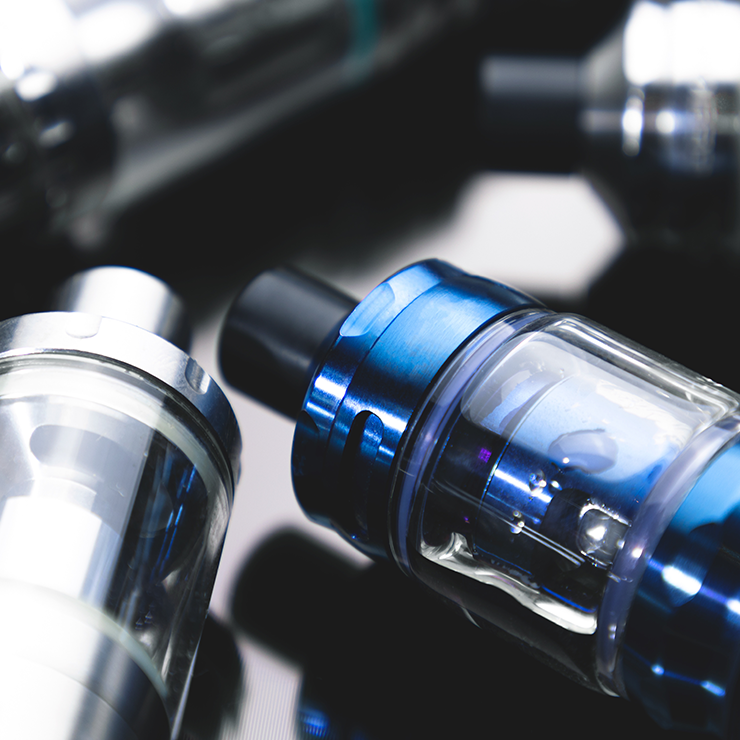
Airflow dynamics dictate the density and temperature of every single inhalation created internally
Replacing conventional combustion methods, these battery-operated devices rely on controlled thermal energy to transform specifically formulated liquids into inhalable mist streams
Complete hardware configurations
Ready-to-use hardware bundles explained
Integrated packaging solutions combine a power unit, a compatible tank atomizer, and replacement heating elements. Users simply assemble the matching components to begin their vaping sessions.
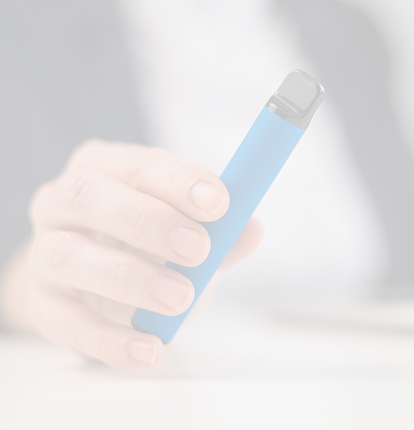
Compact pod systems
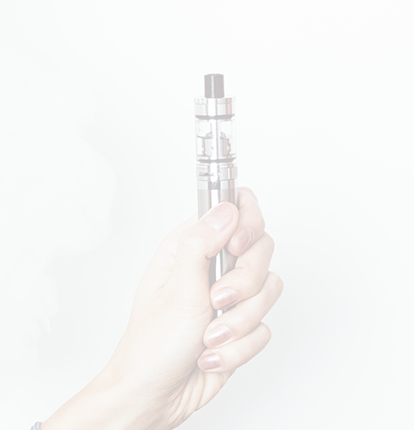
Cylindrical pen-style devices
Premium liquid solutions
What are premium e-liquid base formulas?

Cloud chasing techniques
Maximizing vapor exhalations

Sub-ohm coil builds
Lowering coil resistance

Temperature control vaping
Preventing dry combustion
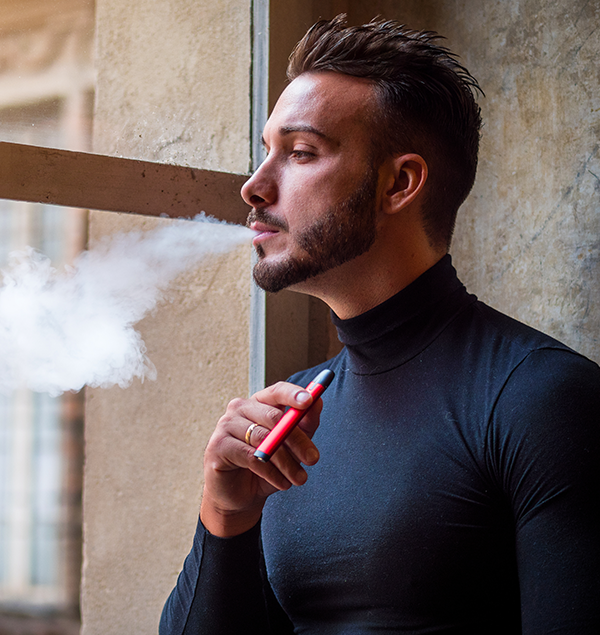
Stealth vaping techniques
Minimizing vapor output

Direct lung inhalation
Deep vapor processing

Mouth-to-lung draw method
Simulated airflow restrictio
Essential peripheral components
Enhance your vaping setup with accessories
Maintaining peak hardware efficiency requires utilizing specific supplementary items alongside the main device. Protective silicone sleeves shield delicate screens from impact, while dedicated external charging bays restore power securely without straining the fragile internal micro-USB ports of the chassis.
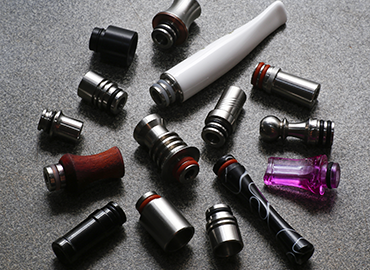
Ergonomic wide bore drip tips
Custom mouthpieces alter the physical airflow trajectory, preventing unpleasant lip burns during extended high-wattage vaping operations.
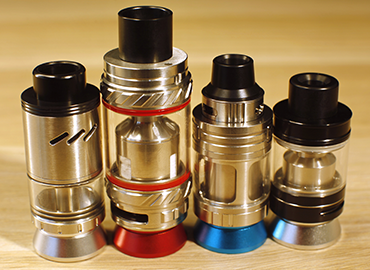
Replacement glass tank expansion tubes
Convex cylinder designs increase e-liquid reservoir capacity significantly, reducing the frequency of necessary manual refilling.
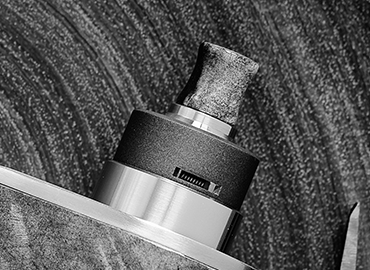
Precision ceramic tweezers for coil building
Non-conductive structural tips enable users to compress glowing hot metallic heating wires without causing dangerous short-circuits.